
Our work in this sector
Well-managed forests and landscapes are essential for climate stability, biodiversity, water security and rural livelihoods. However, the loss of natural vegetation, land degradation and barriers to implementing environmental legislation continue to limit conservation and restoration at scale.
Since 2011, BVRio has developed market mechanisms, data-driven solutions and innovative business models to overcome these barriers and translate legal obligations and environmental services into tangible action on the ground.
Our work addresses the institutional, legal and financial barriers that hinder the protection and restoration of natural vegetation. We aim to turn environmental services into viable, scalable and attractive financial assets, with a focus on legal compliance, market liquidity and delivering direct impacts on the ground.
We bring together financial instruments, market mechanisms, results-based public policies and data intelligence. This approach combines market viability, transparency and climate justice principles to support inclusive transitions that reflect the realities of rural landowners, collectively managed territories and protected areas.
The challenges we seek to address
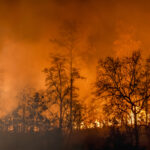
Deforestation and unsustainable land use
The loss of natural vegetation threatens biodiversity, increases emissions and undermines water resources, soil health and food production.
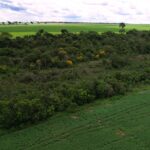
Underdeveloped environmental markets
Fragmented markets, limited transparency and low liquidity reduce incentives for natural vegetation conservation.
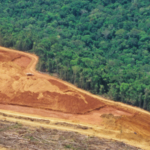
Land degradation
The extent of degraded land, combined with the barriers faced by smallholders and vulnerable groups, makes the transition to regenerative and low-carbon practices more challenging.
Barriers to restoration
A lack of long-term funding, regulatory barriers and slow institutional processes prevent restoration from progressing at the scale required.
Our focus areas
We combine market mechanisms, data intelligence and institutional collaboration to strengthen the implementation of environmental legislation across three complementary areas.

Native vegetation conservation
We develop market mechanisms and business models that create financial incentives to keep forests standing, support legal compliance and increase transparency around conservation instruments.
Ecological and productive restoration
We develop financial instruments, data-driven tools and implementation models to scale up natural vegetation restoration and strengthen forest-based bioeconomy value chains.

Improved land use
We promote regenerative and low-carbon agriculture, the restoration of degraded pastureland and inclusive solutions tailored to different local contexts.
Current initiatives
We seek to create market mechanisms to increase economic efficiency and address market failures, and to support the use of market-based approaches to create liquidity to the mechanisms created.

Forest Reserve Credits
Advocacy and support for the implementation of the Forest Reserve Credits (CRAs) market
Tropical Forests Mechanism (TFM) Concept Note
The TFM aims to support nature finance at scale to ensure the maintenance and enhancement of tropical forests worldwide.

Restoration Showcase
Six integrated national data layers connecting restoration supply, services, projects, knowledge and public policy in support of Brazil’s target to restore 12 million hectares by 2030.
Forest Code Monitoring Portal
The Forest Code Portal aims to inform, reflect, promote transparency and contribute to monitoring the implementation of the Brazilian Forest Code

15 years of impact
Our vision is to deliver positive impacts for the economy, environment and people through the work that we do.

Financing
US$ 8.6million mobilised for initiatives in this sector

Forest conservation
75 million ha of legal reserve surpluses mapped by our initiatives

25 GtCO₂e
in potential avoided emissions and carbon removals through the effective implementation of the Brazilian Forest Code associated with our initiatives

Forest Code implementation
Since 2012, BVRio has supported the regulation, implementation and monitoring of the Brazilian Forest Code, working with organisations, governments, communities and landowners
Partnerships, Participation and Recognition

Previous initiatives in this area
Since 2012 BVRio has developed market mechanisms, products and initiatives in this area, contributed to public policy and been an advocate and delivery partner to others.
Unlocking and Leveraging Low Emissions Development
Working as the implementing partner of the Government of Rondônia, BVRio implemented instruments and management instances provided in the Climate Governance and Environmental Services Policy and the Jurisdictional Strategy and Socio-Environmental Safeguards Protocol for REDD+ projects.

Timber Due Diligence Guides
Working with local governments, we produced a series of Practical Guides to Conducting Due Diligence of Tropical Timber products in Brazil, Peru, Ghana, Cameroon and Republic of Congo.

SIMFlor
Recognising the importance of the conservation and restoration obligations of the Forest Code, BVRio and partners created SIMFlor, a programme to provide financial support to landowners to conserve existing native vegetation in their land.

Responsible Timber Exchange
Founded in 2016, this free online trading platform was used to promote the use of tropical wood products from legal sources.

Timber Due Diligence System
BVRio's Due Diligence and Risk Assessment System conducts a risk analysis of wood products along the supply chain. It was available for users to analyse Brazilian timber transport authorisations or to check FSC® and PEFC licenses from all over the world.

Design and Sustainable Wood Initiative
Designed to promote union between design and socio-environmental responsibility, the project brought internationally renowned Brazilian designers into the heart of the Amazon to teach new techniques of design and construction to community foresters.

AmazoniAtiva
A digital hub to enhance the marketing and sales logistics of the bioeconomy products featured on it. 60+ partners offering products, all are small businesses, but there are more than 6000 people benefitting from their operations.

Good Wood Expo
A roadshow of promotional events that hosted talks and exhibitions to promote the trade of legal timber. Ghana 2018, Indonesia 2019.


