
Our work in this sector
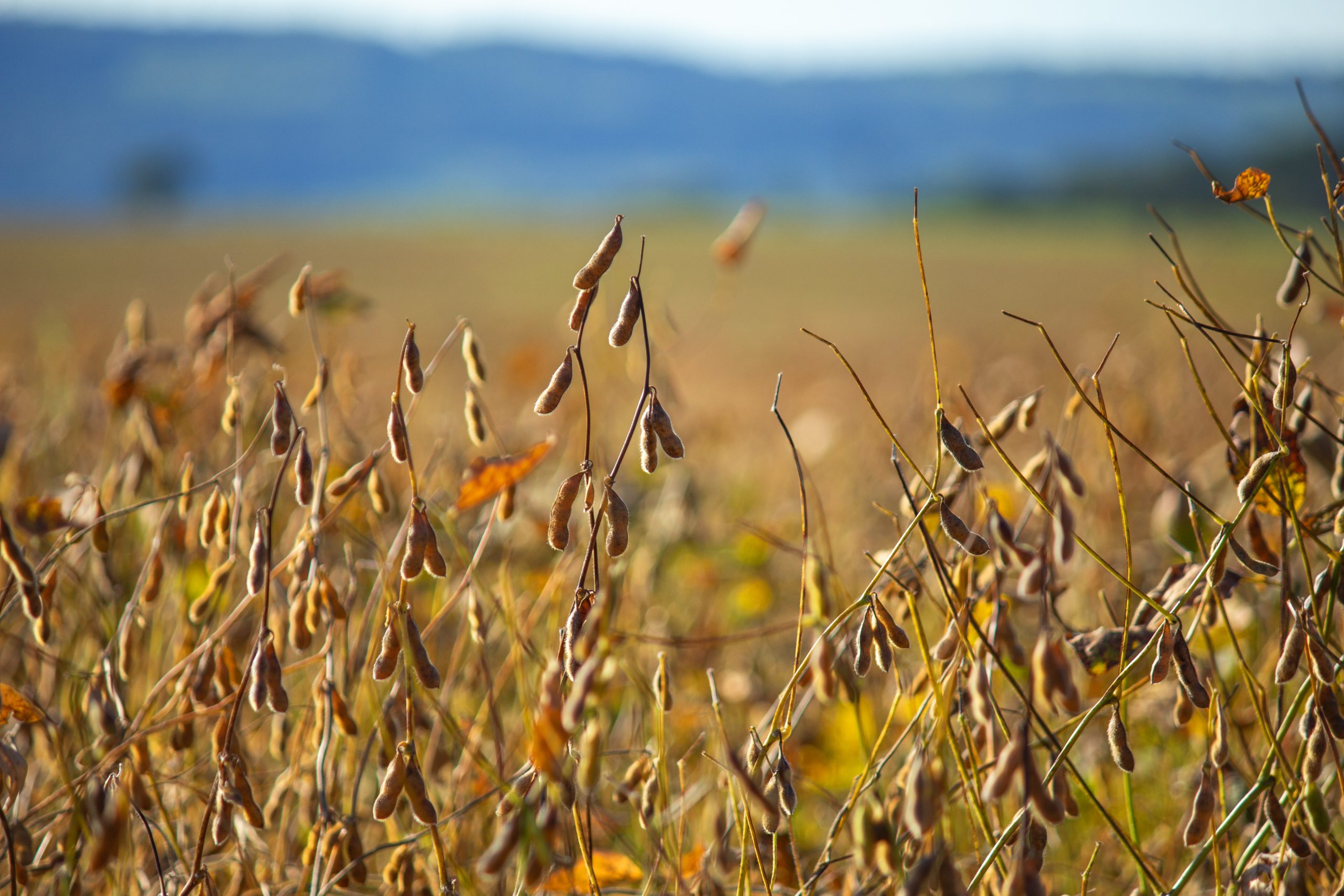
Responsible production of food, fuel and goods is vital to the stability of the green economy and of the climate, but the global population puts enormous pressure on these vital natural resources. BVRio works to promote and create new ways of supporting and incentivising farmers and land owners to adopt more climate friendly practices, and to mobilise and support businesses and business groups, to invest in green solutions within their supply chains.
Since 2011 BVRio has been developing products and services in support of the responsible timber industry within Brazil, home of the world’s largest and most vulnerable forest. This work has also been adapted to other developing countries with forest economies.
As land-use and agriculture has changed, BVRio has evolved the mechanisms developed for timber, and begun applying them to the farming of crops such as soy, cocoa and rice as well.
The problems we seek to address
Value
Standing forests and native vegetation should not be worth more destroyed or discarded than conserved or recovered and re-used
Finance
Scarce, short-term capital often fails to reach or adequately incentivise the producers to rank planet over profit, or reach those on the front line of climate impacts
Policy
Weak or overly complex rules on deforestation and producer responsibility often leave gaps to avoid action

Traceability
Opaque supply chains, from farm to market undermine trust in what's claimed
Current Initiatives

Responsible Commodities Facility
Managed by Sustainable Investment Management (SIM) The Responsible Commodities Facility (RCF) provides financial incentives to soy farmers in the Cerrado region of Brazil that meet its Eligibility Criteria, with a focus on the protection of native vegetation in addition to legal requirements.
visit website
SojaCheck
A production map of soy grown in the Brazilian Cerrado region showing deforestation and conversion risk factors.
visit website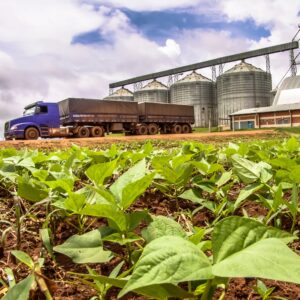
RCF Trace
Managed by Sustainable Investment Management (SIM) The Responsible Commodities Facility (RCF) Trace – Accounting for Low Carbon Soy in Global Supply Chains project, will demonstrate a scalable, credible model for accounting for deforestation-free (DCF) and low-carbon soy from Brazil to European markets.
visit websiteImpact
Our vision is to deliver positive impacts for the economy, environment and people through the work that we do.

Finance
>US$150 million mobilised for initiatives in this sector
Conservation
~144,000ha of native vegetation protected in the Brazilian Cerrado

Commodities
~766,000 tonnes of DCF Soy produced by Brazilian farms

Legal Timber
100million m3 timber offered in the global Responsible Timber Exchange
Partnerships, Participation and Recognition
Signatory
BVRio Group Company (SIM) is a signatory of Innovative Finance for the Amazon, Cerrado and Chaco (IFACC)
Membership
BVRio is a Member of the Brazil Coalition for Climate, Forest and Agriculture
Awards
Environmental Finance awards in 2023 and 2024 for the Responsible Commodities Facility (RCF) Cerrado Programme
Previous initiatives in this area
Since 2012 BVRio has developed market mechanisms, products and initiatives in this area, contributed to public policy and been an advocate and delivery partner to others.

Responsible Timber Exchange
Founded in 2016, this free online trading platform was used to promote the use of tropical wood products from legal sources.

Timber Due Diligence System
BVRio's Due Diligence and Risk Assessment System conducts a risk analysis of wood products along the supply chain. It was available for users to analyse Brazilian timber transport authorisations or to check FSC® and PEFC licenses from all over the world.
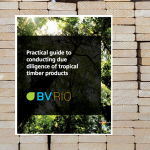
Timber Due Diligence Guides
Working with local governments, we produced a series of Practical Guides to Conducting Due Diligence of Tropical Timber products in Brazil, Peru, Ghana, Cameroon and Republic of Congo.

AmazoniAtiva
AmazoniAtiva was developed as an online showcase of products from the Brazilian Amazon, connecting entrepreneurs from traditional communities from the nine states of the Legal Amazon with worldwide customers and other bioeconomy businesses.

Good Wood Expo
Held in 2018 and 2019, the Good Wood Expo was designed to promote timber trade in international markets whilst raising awareness of legal timber and FLEGT licensing.

Design & Sustainable Wood Initiative
Created to promote union between design and socio-environmental responsibility, bringing internationally renowned Brazilian designers directly to the heart of the Amazon, to teach new techniques of design and construction of furniture and utensils in a community forest management.


