
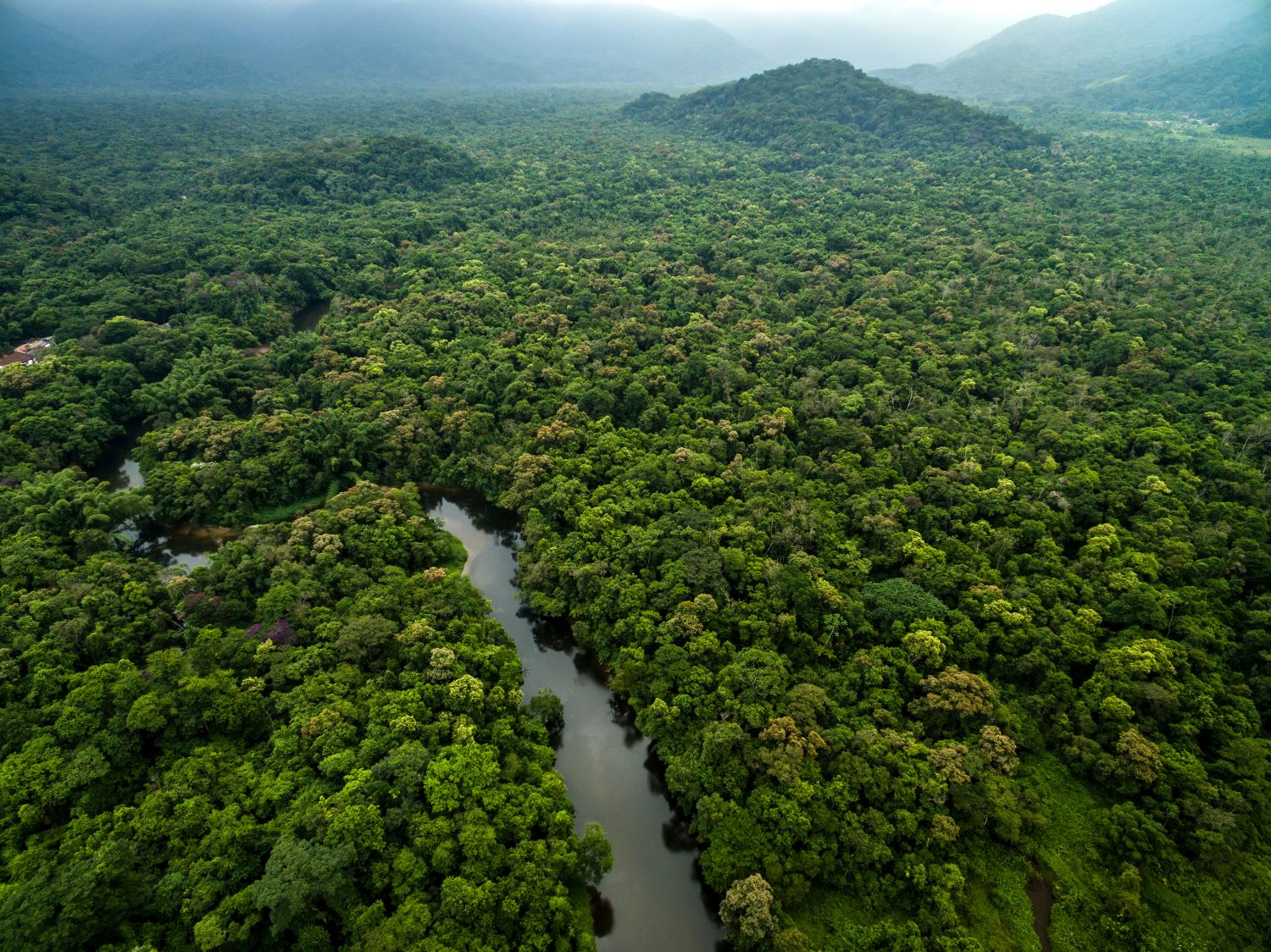
We want to achieve measurable impact with the work that we do, across three key areas:

ECONOMY

ENVIRONMENT

PEOPLE
Economy

Our work aims to create economic efficiencies and mend market failures to remove barriers for the adoption of more sustainable models of production. These models could result in benefits for responsible and compliant operators, for rural communities that add value to their natural resources, or for circular economy models based on solid waste recovery and recycling. Our work helps create new sources of income in developing countries, which has many knock-on benefits for local and national economies.
A Responsible Commodities Facility to finance Zero Deforestation Soy in Brazil
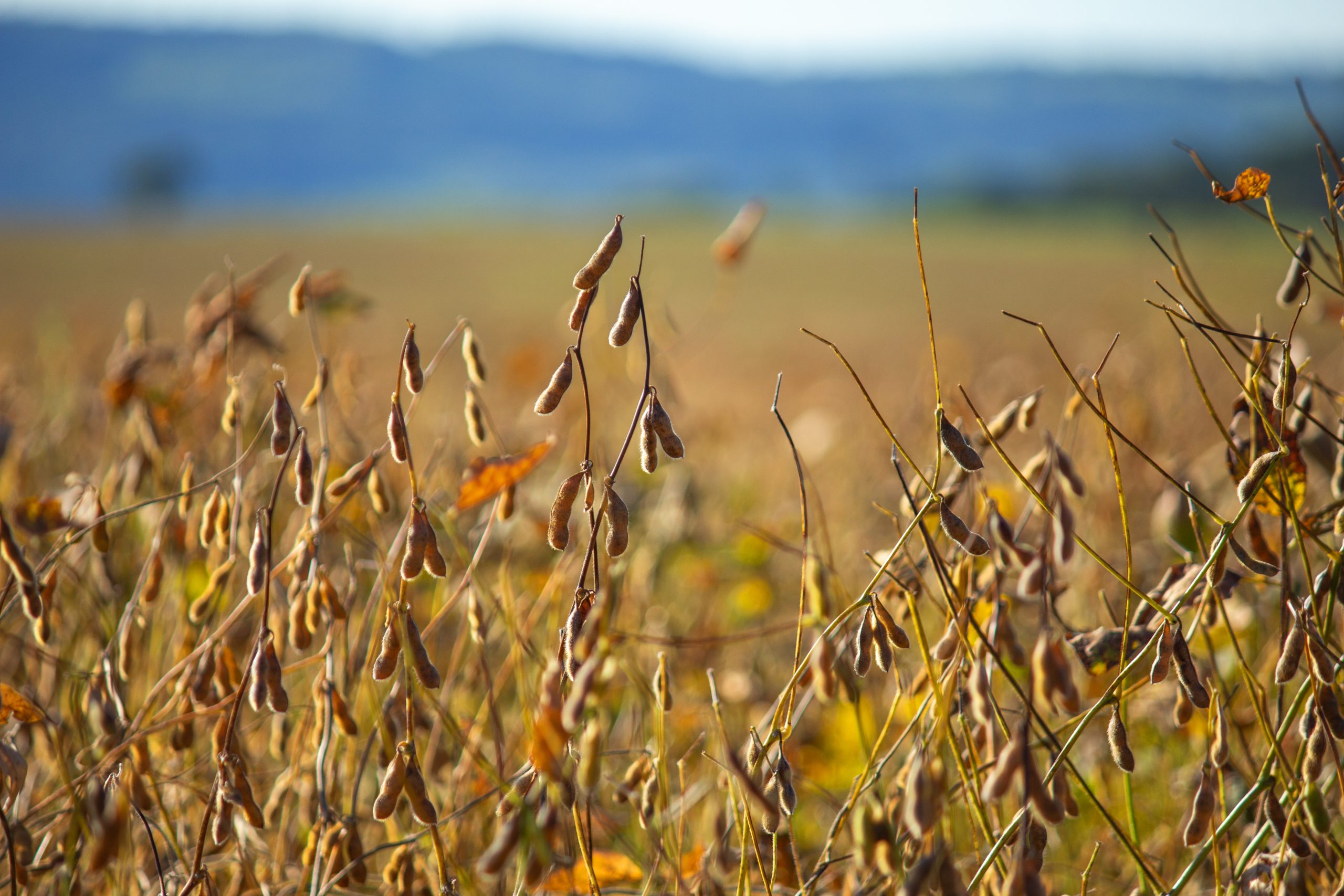
 Growing demand for soy globally is resulting in a continuous expansion of the area under cultivation in Brazil, creating a major driver of deforestation, destruction of natural habitats, loss of biodiversity and greenhouse gas (GHG) emissions. At the same time, there is widespread consensus that agricultural production in Brazil can be achieved without the need for additional deforestation. This was the objective of the 2017 Cerrado Manifesto, signed by more than 200 NGOs and private sector organisations.
There is a need, however, to create incentives to engage farmers in the production of responsible commodities. This is the rationale for the creation of the Responsible Commodities Facility, a fund capitalised by green bonds to provide low interest finance (crop finance loans) to farmers who commit to zero deforestation, by expanding soy cultivation into abandoned pasture land previously used for extensive cattle ranching, and committed to compliance with the Brazilian Forest Code.
Environment

Our work encourages voluntary and compliance-driven adoption of environmental laws and objectives. This results in protecting forests from illegal logging, reducing deforestation for intensive food production, and plastic from entering the oceans.
Improving land use at the landscape scale
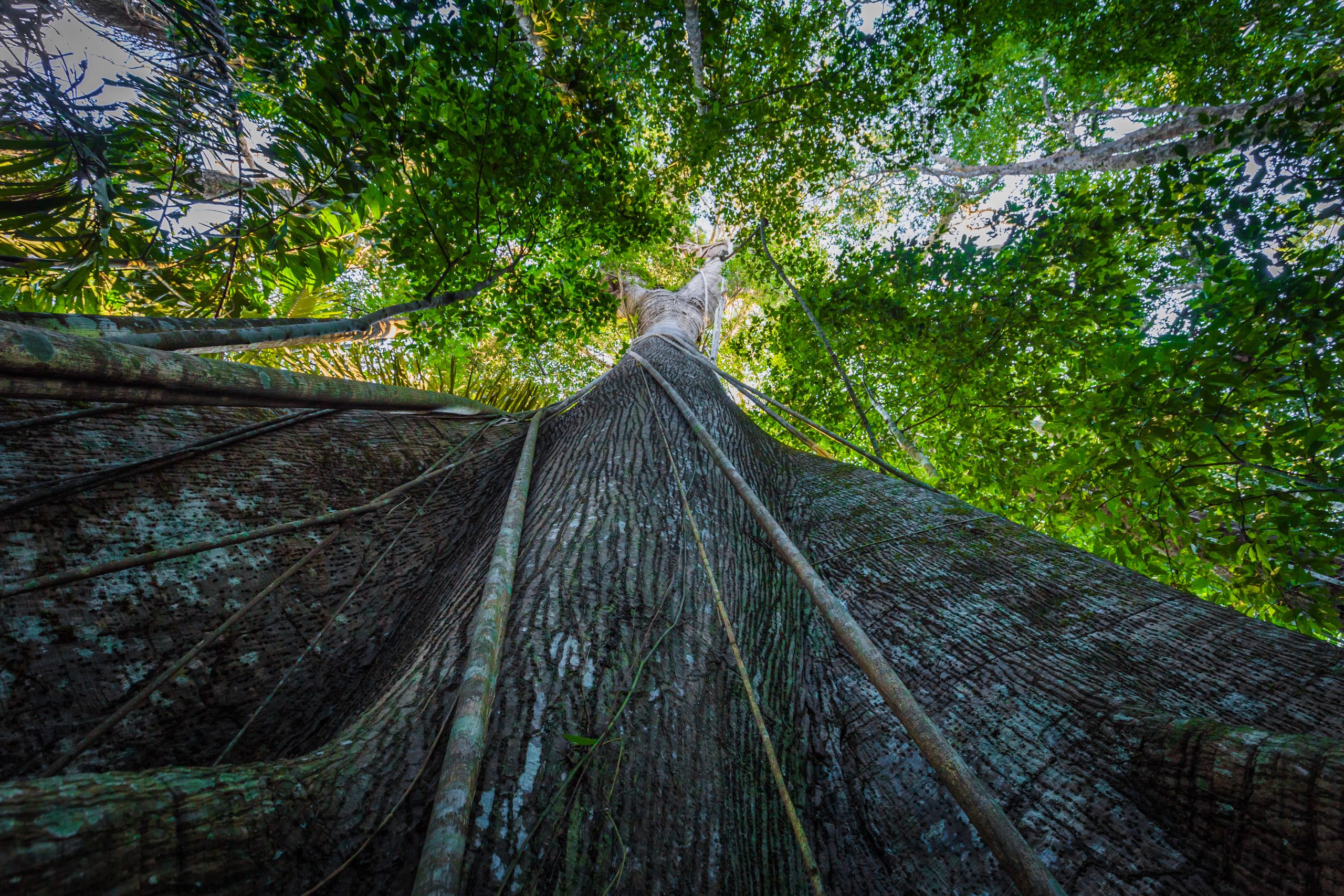
The Forest Code is the cornerstone of Brazil’s land-use transition. Its full implementation has the potential to reconcile highly productive agriculture and livestock farming with ecosystem conservation and restoration. In addition to creating jobs and income in rural areas, enforcement of the law preserves and sequesters vital carbon stocks, protects biodiversity, and improves water availability. Its implementation also fosters a sustainable forest economy that benefits people and the climate.
Since 2012, BVRio has worked to translate this legislation into practice through market-based solutions and support for public policies. Its main achievements include the National Forest Code Implementation Plan (PlanaFlor), the development of market platforms for Environmental Reserve Quotas (CRAs), the Forest Code Monitoring Portal, and direct support to help rural producers achieve environmental compliance.
As part of its efforts to conserve native vegetation, BVRio has actively worked to combat the illegal timber trade, one of the main drivers of forest degradation. Its Responsible Timber Exchange provided the international market with advanced due diligence and legal-compliance tools. This experience has given BVRio the expertise needed to support the assessment and alignment of other supply chains with the most stringent global requirements, including European legislation (EUTR), the US Lacey Act, and the FLEGT programme.
People

Many of our projects provide additional income and opportunity to the world’s poorest people, including many which directly benefit women. Our mechanisms seek to reward responsible farmers, land-owners, agricultural producers, community forest managers, formal and informal waste pickers, offering tools that provide a competitive edge and opportunities.
Creating Social impact through good environmental stewardship
One of the objectives of BVRio is to ensure that all actors involved in the provision of environmental goods and services benefit from the increased revenues associated with it, both in the rural and urban environment.
Since 2017, BVRio’s Timber & Design initiative aims to assist community forestry enterprises in the Amazon in commercialising their products and adding value to their raw materials. This is achieved through partnerships with high end furniture designers who provide capacity to produce furniture in their own factories, and use their products as a showcase to raise awareness and create a wider demand for this source of raw material (timber products with a social and environmental positive impact).
In the urban environment, BVRio’s Reverse Logistic Credit scheme was designed to engage and remunerate the informal waste collectors for the services they provide to increase the rates of waste collection and sorting in Brazil. The sale of credits creates additional income streams and improve the working conditions and livelihoods of those at the forefront of waste management solutions.


